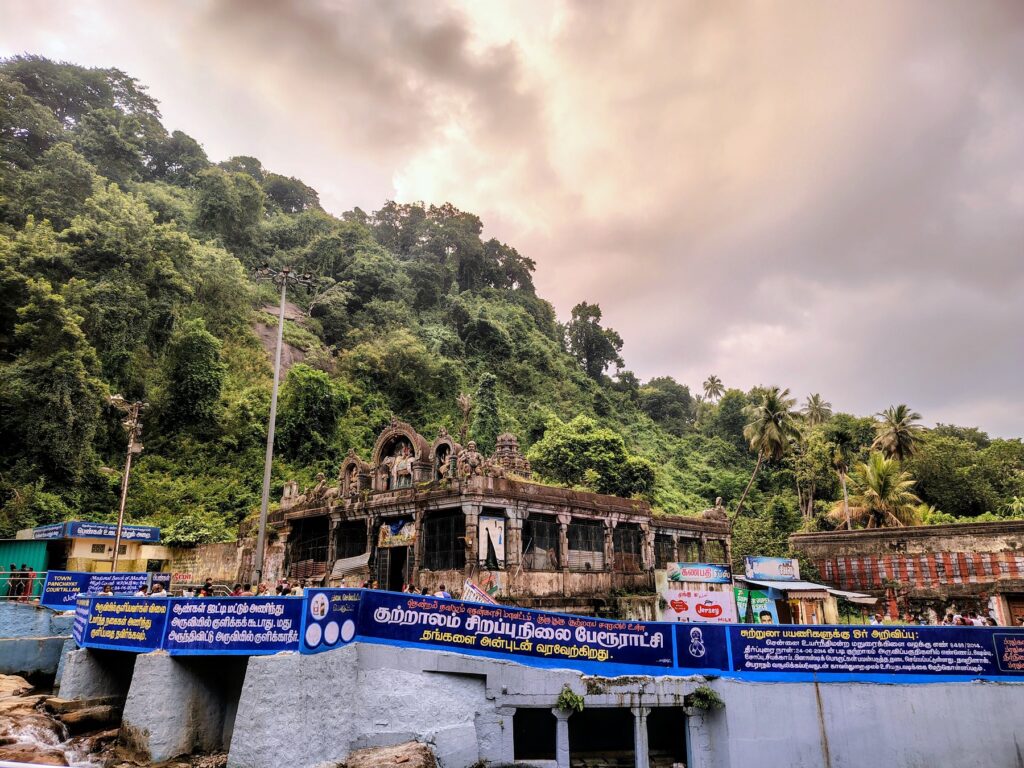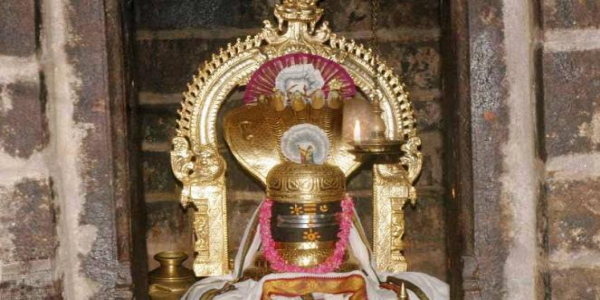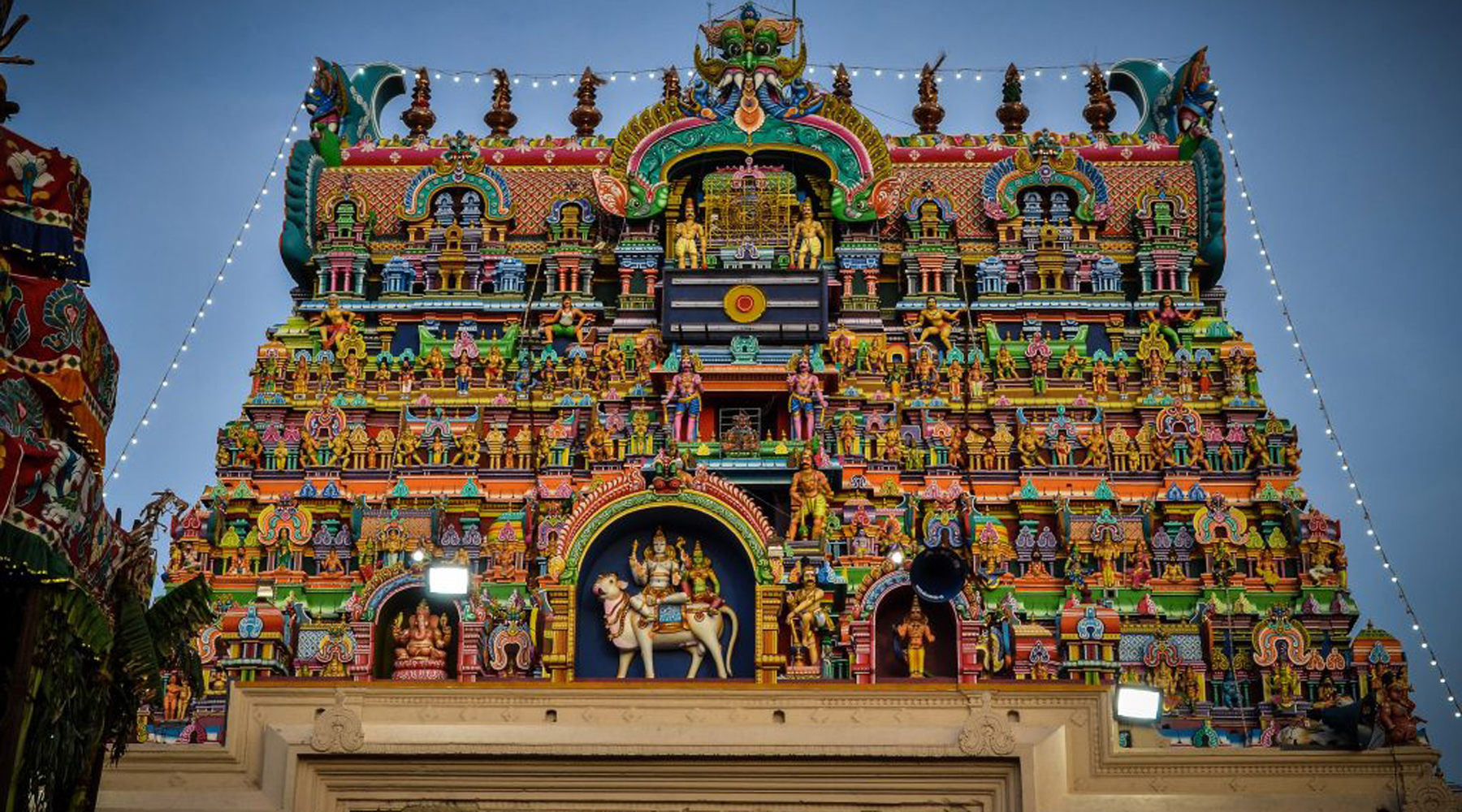
The Nellaiappar Gandhimathi Amman Temple is not just a place of worship but the living soul of Tirunelveli. For centuries, the temple has shaped the city’s identity, influencing its culture, festivals, daily rhythms, and even its name. To the people of Tirunelveli, Nellaiappar is not distant divinity but a guardian who watches over the land and its livelihood.
Origins Rooted in Faith and History
The temple’s origins date back to the 10th century, with inscriptions pointing to early construction during the Pandya era. Subsequent rulers, including the Cholas and Nayaks, added grand halls, long corridors, and towering gopurams. Unlike many temples that evolved in fragments, this complex grew as a single spiritual ecosystem, maintaining architectural harmony across generations.
The Legend That Named a City
Tirunelveli’s name itself is inseparable from the temple. Legend says that Lord Shiva protected a devotee’s harvested paddy by forming a divine fence against heavy rain. This act earned him the name Nellaiappar, meaning the protector of fertile land. Even today, farmers and traders offer prayers here, seeking stability, abundance, and protection.
Architecture That Speaks and Sings
One of the temple’s most striking features is its musical pillars, which produce distinct notes when gently tapped. The Tamira Sabha, where Lord Shiva is believed to have performed his cosmic dance, symbolizes wisdom and balance. The long Sangili Mandapam connects the Shiva and Amman shrines, subtly representing the spiritual unity of masculine and feminine energies.
Living Traditions and Festivals
Daily rituals at the temple begin before sunrise and continue late into the night, creating a constant spiritual pulse within the city. Grand festivals like Brahmotsavam, Arudra Darisanam, and Navaratri transform Tirunelveli into a sea of devotion. The temple’s Annadhanam service reflects its philosophy, faith must translate into compassion.
More Than a Monument
Beyond architecture and legend, the Nellaiappar Temple remains a place where personal milestones are marked, prayers are whispered, and generations find continuity. It stands as a reminder that Tirunelveli is not merely a city built around a temple, but a city grown from it.