Temples in Tirunelveli

Temples in Tirunelveli

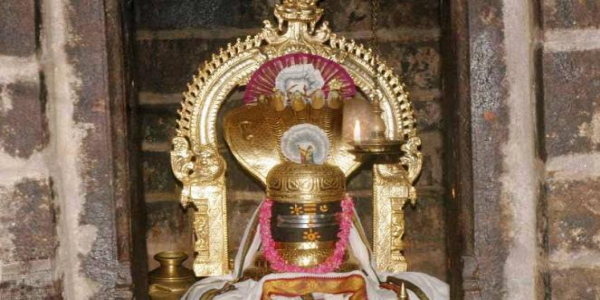
Ninth Kailasam – Sernthapoomangalam

Sernthapoomangalam, revered as the Ninth Kailasam, holds a unique place in the spiritual geography of the Thamirabarani river belt. This sacred Shiva temple marks the culmination of a divine journey undertaken by Uromasa Maharishi, guided by Sage Agasthiyar, in his quest for salvation. The Legend of the Nine Flowers According to legend, Uromasa Maharishi built nine Shiva temples along the banks of the Thamirabarani. To identify the final sacred spot, he set nine flowers afloat in the river. The place where the ninth flower rested came to be known as Sernthapoomangalam, literally meaning the place where the flower completed its journey. This act fulfilled the sage’s spiritual quest, making the site immensely sacred. Sangumugam – Where River Meets the Divine Sernthapoomangalam lies close to Sangumugam, a holy stretch where the Thamirabarani flows towards its confluence with the sea near Punnakayal. The sacred bathing ghat here is considered highly auspicious, and water from this spot is traditionally used to commence Kumbabishekam rituals in nearby temples. Legends say Sage Agasthiyar and even the King of the Seas worshipped Lord Shiva at this very place. Presiding Deities and Planetary Significance The presiding deity is Sri Kailasanathar, with Sri Soundarya Nayagi as the consort. In this temple, Lord Shiva is believed to embody the qualities of Lord Sukran (Venus). Worship here is said to grant benefits similar to prayers offered at Kanjanoor Sukran Temple, blessing devotees with prosperity, fame, and marital harmony. Temple Layout and Divine Presence The east-facing Shiva Lingam stands majestically in the central sanctum, while the Goddess faces south. The temple corridors house several important deities, including Dakshinamoorthy, Kanni Vinayagar, Lord Muruga with Valli and Deivanai, Saniswarar, and Bhairavar. The presence of these shrines creates a spiritually complete worship experience. Ancient Inscriptions and Royal Patronage Stone inscriptions suggest that the temple may have been built during the reign of Pandya kings, possibly by Maravarman Sundara Pandian or King Sendhan. Earlier records mention the town as Kudanaatu Aathoor Serndha Mangalam and Avaniba Sekara Chaturvedi Mangalam, highlighting its historical and scholarly importance. Unique Beliefs and Special Worship A rare carving of Lord Kubera riding an elephant, along with Sanga Nidhi and Paduma Nidhi, adorns the temple vimana. Devotees traditionally worship this form after Shiva darshan, seeking wealth and stability. Rituals such as Neeranjana Pooja, Sukra Olai, and special Friday worship are believed to remove Sukra Dosham, overcome financial losses, and bless couples with progeny. Festivals and Living Traditions The Chithirai Festival and Car Festival held on Chithra Pournami draw devotees from across the region. Regular observances like Pradosham, Thirukalyanam, Navaratri, Varusha Abishegam, and Thiruvilakku Pooja keep the temple’s spiritual rhythm alive throughout the year. A Sacred Stop on the Thamirabarani Path Sernthapoomangalam is not just a temple, but a spiritual milestone, where devotion, legend, river, and planet converge. For devotees seeking Sukran’s grace and inner fulfillment, the Ninth Kailasam remains a powerful destination on the sacred banks of the Thamirabarani.
Temples in Tirunelveli

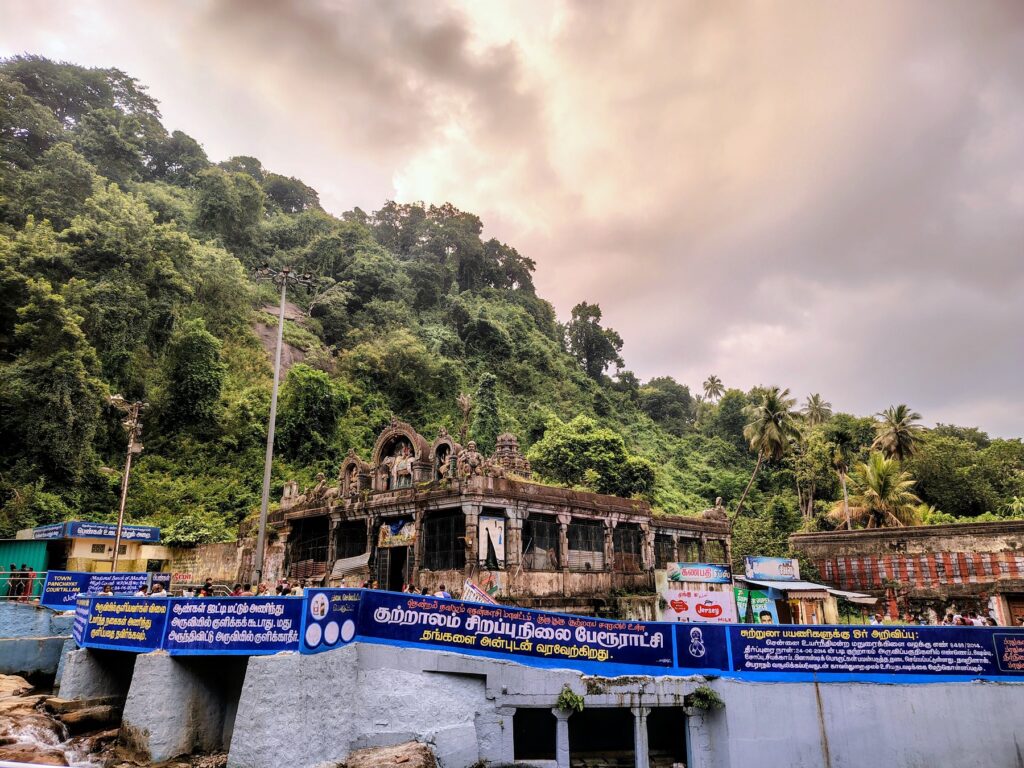
Thiru Kutralanathar Temple

Nestled at the foothills of the Thirukoodamalai hills in Tirunelveli district, the Thiru Kutralanathar Temple stands as a rare blend of divine presence and natural beauty. Surrounded by the lush Western Ghats and the soothing sound of Courtallam waterfalls, this ancient Shiva temple is believed to be one of the most spiritually powerful shrines in South Tamil Nadu. A Thevara Thirusthala with Ancient Roots The Kutralanathar Temple is revered as one of the 275 Thevara Thirusthalas, sung by the Nayanmars. Lord Shiva is worshipped here as Kutralanathar, a self-manifested (Swayambhu) Lingam. Historical references suggest the temple dates back nearly 2,000 years, with strong associations to early Shaivite traditions and royal patronage. Legend of Sage Agasthiyar and Divine Transformation Legend offers a fascinating layer to the temple’s origin. It is believed that the shrine was once dedicated to Lord Vishnu. When Sage Agasthiyar arrived at Courtallam to balance the earth during Shiva-Parvati’s celestial wedding, he transformed the Vishnu idol into a Shiva Lingam using his divine powers. Even today, devotees believe the finger impressions of the sage are visible on the Lingam. Goddesses Sridevi and Bhudevi were transformed into Kuzhalvai Mozhiammai and Adi Parasakthi, with the latter seated on the sacred Dharani Peetam, symbolising Mother Earth herself. Unique Rituals and Sacred Beliefs A distinctive belief surrounds the presiding deity. It is said that Lord Kutralanathar experiences a permanent headache, leading to a daily ritual where the Lingam is anointed with a special herbal mixture of 64 medicinal ingredients. This same preparation is offered to devotees as night prasadam, making it both sacred and healing. Architecture and Spiritual Layout The temple features five entrances, symbolically representing the four Vedas and a special divine passage. The Dwarapalakas are uniquely sculpted in a conversational posture, adding a rare artistic touch. Inside the complex are shrines for Adi Parasakthi (a Shakthi Peetha), Lord Muruga with Valli and Devasena, Ganapathy, Navagrahas, and several revered forms of Shiva and Shakti worshipped across Tamil Nadu. The Sacred Tree and Holy Waters The temple’s Sthala Vriksha is the Kurumpala (Jackfruit) tree, whose fruits are said to resemble Shiva Lingams and are never plucked. The sacred water source, Siva Madhu Ganga, flows from the nearby North Falls, further reinforcing the temple’s deep connection with nature. Chitra Sabha – A Hidden Gem of Courtallam A short distance from the main temple lies the Chitra Sabha, one of Lord Shiva’s Pancha Sabha Kshetrams. Known for its copper-plated roof and natural-dye murals, the hall showcases stunning depictions of divine legends and reflects architectural brilliance comparable to Chidambaram’s Chitra Sabha. Living Faith and Daily Service Beyond worship, the temple plays an active social role. Through the Annadhanam scheme, free meals are served daily, especially during the Sabarimala and Saral seasons, reinforcing the temple’s philosophy that devotion must extend into service. A Complete Spiritual Experience A visit to Courtallam feels incomplete without seeking blessings at the Thiru Kutralanathar Temple. Here, the roar of waterfalls, the silence of the mountains, and the presence of Lord Shiva come together, offering devotees not just darshan, but a deeply uplifting spiritual experience.

Nellaiappar Temple
Temples in Tirunelveli

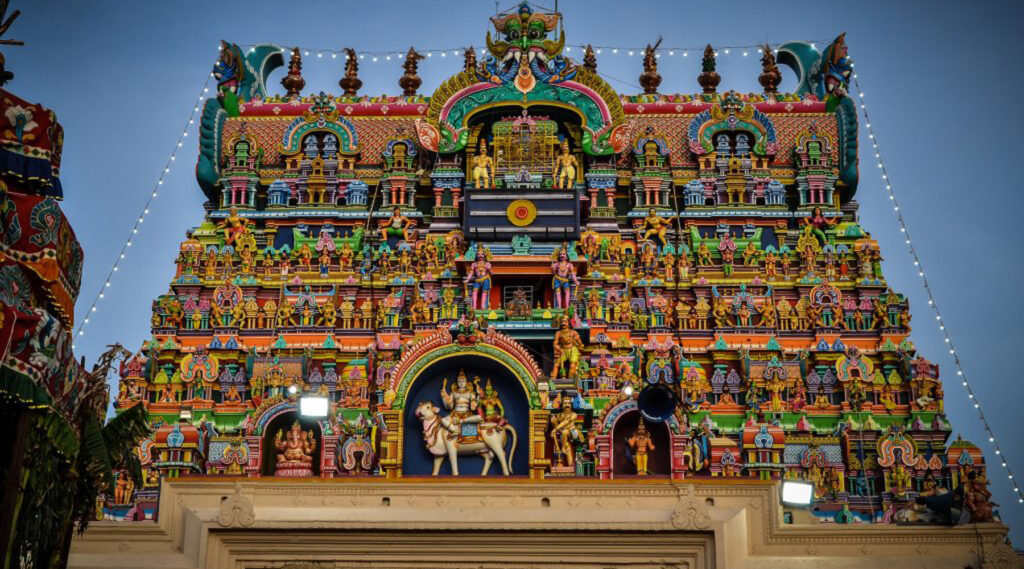
Nellaiappar Gandhimathi Amman Temple

The Nellaiappar Gandhimathi Amman Temple is not just a place of worship but the living soul of Tirunelveli. For centuries, the temple has shaped the city’s identity, influencing its culture, festivals, daily rhythms, and even its name. To the people of Tirunelveli, Nellaiappar is not distant divinity but a guardian who watches over the land and its livelihood. Origins Rooted in Faith and History The temple’s origins date back to the 10th century, with inscriptions pointing to early construction during the Pandya era. Subsequent rulers, including the Cholas and Nayaks, added grand halls, long corridors, and towering gopurams. Unlike many temples that evolved in fragments, this complex grew as a single spiritual ecosystem, maintaining architectural harmony across generations. The Legend That Named a City Tirunelveli’s name itself is inseparable from the temple. Legend says that Lord Shiva protected a devotee’s harvested paddy by forming a divine fence against heavy rain. This act earned him the name Nellaiappar, meaning the protector of fertile land. Even today, farmers and traders offer prayers here, seeking stability, abundance, and protection. Architecture That Speaks and Sings One of the temple’s most striking features is its musical pillars, which produce distinct notes when gently tapped. The Tamira Sabha, where Lord Shiva is believed to have performed his cosmic dance, symbolizes wisdom and balance. The long Sangili Mandapam connects the Shiva and Amman shrines, subtly representing the spiritual unity of masculine and feminine energies. Living Traditions and Festivals Daily rituals at the temple begin before sunrise and continue late into the night, creating a constant spiritual pulse within the city. Grand festivals like Brahmotsavam, Arudra Darisanam, and Navaratri transform Tirunelveli into a sea of devotion. The temple’s Annadhanam service reflects its philosophy, faith must translate into compassion. More Than a Monument Beyond architecture and legend, the Nellaiappar Temple remains a place where personal milestones are marked, prayers are whispered, and generations find continuity. It stands as a reminder that Tirunelveli is not merely a city built around a temple, but a city grown from it.

Scroll to Top